You’ve been working hard at being more intentional about what you eat. You’re being more mindful of what you put in your body. Generally, that translates into watching your intake of carbs, fats, healthy foods vs. junk food, and counting calories to ensure you’re burning more calories than you take in on a daily basis.
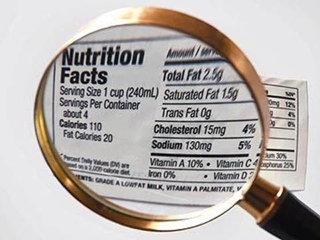
But now, let’s start looking at those nutrition labels to find out what’s in that food you’re so carefully monitoring. From one of my favorite blog postings, “Eat This, Not That!” comes today’s topic: 8 Ingredients You Never Want to See on your Nutrition Label. Those ingredients are: BHA (a preservative), parabens (synthetic preservatives), partially hydrogenated oil (read trans-fat), sodium nitrate, caramel coloring (would you believe sugar treated with ammonia?!?!), castoreum (a natural ??? ingredient made from beavers’ anal scent glands – seriously, I can’t make this stuff up), food dyes and hydrolyzed vegetable protein. Some ingredients can be found in everyday food items like cereals, boxed pasta, frozen foods, some ice cream. After reading this I don’t think I want to eat anything remotely processed!
Exercise your “are you kidding me?” muscle as you read the full article at:
http://eatthis.menshealth.com/slide/bha?slideshow=187042#sharetagsfocus
Blessings,
Coach Linda Bush
Wednesday, September 26, 2012
Moody Monday
Ever find yourself in a bad mood? Stressed and ready to explode? Feeling trapped and ready to slap the next person who dares to make eye contact with you? I know, you personally never felt like this, and neither did I (cough… cough…), but in case you know someone who’s had this happen, just pass this along…
While it’s hard enough to deal with moods at home, when you’re in the public eye, especially in someplace like an office job, a bad mood can not only be inconvenient, it can also damage your rep at work or with others.
Unfortunately, I still find that moodiness for women can be more problematic than men, as we find ourselves being accused of PMS, having our periods or worse. Somehow we seem to have to be happy all the time?!?!?! What is up with that?!?! But I digress…
So how do we help ourselves when the mood monster is about to eat us alive? Here are some ideas to get you a bit calmer so that you can effectively deal with the situation in a calm/cool/collected manner:
1. Accept your bad mood. Instead of trying to stuff it down or gloss it over or pretend you just don’t have it, sit through it and allow yourself to feel it. I’m not saying go crazy wicher bad self but acknowledge your feelings (they are what they are) and be real with yourself.
2. Try to nail down why you’re moody. Look past your feelings and think about what circumstances or words from others got you to this place. Maybe you just woke up on the wrong side of the bed, maybe you’re physically not at your best (tired, fighting a cold, etc.) and it’s dragging you down. Could it be the anniversary of a time when you had something happen that made you angry or sad? Hear an old song on the radio that took you back to a place you’d rather not have visited?
3. Talk it over with a trusted friend – NOT at your desk, but privately. Take your cell phone out to your car at lunch or on break. Sometimes you need to talk it out. And while you’re at it, if you’re in the car, a primal scream or two can sure let out a LOT of anger!
4. Take a walk away from the surroundings, even if it’s just to the ladies’ room. If possible, I always recommend going outside into the fresh air. Something about that never fails to calm me down and take me to a better mental place.
5. Take some deep breaths. Breathe in through your nose for a slow count of five, hold for a slow count of five, and then blow out the air for a slow count of five through your mouth as if you were blowing out birthday candles. This kind of goes along with the old adage of counting till 10. It’s amazing what a few moments can do to clear your head and help you sort things out without blurting out words that can never be taken back.
6. Pray/meditate. When my moods are bigger than I know how to handle, I pray about it. I take it to Him who is much bigger than me or my mood! He always listens. If you prefer, meditate on a time when you were in a great mood, in a great place with happy memories. Remember how good you felt, what you saw, what you heard, the sounds and smells.
7. It may sound hokey, but take a moment to count your blessings. It doesn’t mean your mood isn’t valid or doesn’t devalue your circumstances. As my friend Karla says, “It is what it is!” But maybe it will help put things in perspective for you and let you get out of yourself and your circle of MOOP for a moment. I love my friend Marjory’s word “mooposity” – don’t park yourself on your Mount Everest of Mooposity. You’re there, you’ve visited, move on.
8. Finally, remember this too shall pass. I often find a good night’s rest is one of the best things to dissuade the mood monster.
One note – if you find that your bad mood continues on for days and days, please consider medical assistance. Perhaps you are battling depression and need a professional counselor or therapist to help you out of the rut. Been there myself, and I got some help – ain’t no shame, sweetie, we all need a helping hand now and then.
Ahhhh… I feel better just having written this blog entry. I hope your reading it will help you next time the mood monster comes to visit. Exercise your “step this way” and scoot him out the door!
Blessings,
Coach Linda Bush
Sources:
http://www.wikihow.com/Get-out-of-a-Bad-Mood-Fast
http://www.wikihow.com/Turn-Around-a-Bad-Day-at-Work
http://www.forbes.com/2009/07/16/bad-mood-workplace-forbes-woman-leadership-solutions.html
http://www.psychologytoday.com/blog/prescriptions-life/201003/eight-secrets-outwitting-bad-mood
Painting: Femme aux Bras Croises by Picasso
While it’s hard enough to deal with moods at home, when you’re in the public eye, especially in someplace like an office job, a bad mood can not only be inconvenient, it can also damage your rep at work or with others.
Unfortunately, I still find that moodiness for women can be more problematic than men, as we find ourselves being accused of PMS, having our periods or worse. Somehow we seem to have to be happy all the time?!?!?! What is up with that?!?! But I digress…
So how do we help ourselves when the mood monster is about to eat us alive? Here are some ideas to get you a bit calmer so that you can effectively deal with the situation in a calm/cool/collected manner:
1. Accept your bad mood. Instead of trying to stuff it down or gloss it over or pretend you just don’t have it, sit through it and allow yourself to feel it. I’m not saying go crazy wicher bad self but acknowledge your feelings (they are what they are) and be real with yourself.
2. Try to nail down why you’re moody. Look past your feelings and think about what circumstances or words from others got you to this place. Maybe you just woke up on the wrong side of the bed, maybe you’re physically not at your best (tired, fighting a cold, etc.) and it’s dragging you down. Could it be the anniversary of a time when you had something happen that made you angry or sad? Hear an old song on the radio that took you back to a place you’d rather not have visited?
3. Talk it over with a trusted friend – NOT at your desk, but privately. Take your cell phone out to your car at lunch or on break. Sometimes you need to talk it out. And while you’re at it, if you’re in the car, a primal scream or two can sure let out a LOT of anger!
4. Take a walk away from the surroundings, even if it’s just to the ladies’ room. If possible, I always recommend going outside into the fresh air. Something about that never fails to calm me down and take me to a better mental place.
5. Take some deep breaths. Breathe in through your nose for a slow count of five, hold for a slow count of five, and then blow out the air for a slow count of five through your mouth as if you were blowing out birthday candles. This kind of goes along with the old adage of counting till 10. It’s amazing what a few moments can do to clear your head and help you sort things out without blurting out words that can never be taken back.
6. Pray/meditate. When my moods are bigger than I know how to handle, I pray about it. I take it to Him who is much bigger than me or my mood! He always listens. If you prefer, meditate on a time when you were in a great mood, in a great place with happy memories. Remember how good you felt, what you saw, what you heard, the sounds and smells.
7. It may sound hokey, but take a moment to count your blessings. It doesn’t mean your mood isn’t valid or doesn’t devalue your circumstances. As my friend Karla says, “It is what it is!” But maybe it will help put things in perspective for you and let you get out of yourself and your circle of MOOP for a moment. I love my friend Marjory’s word “mooposity” – don’t park yourself on your Mount Everest of Mooposity. You’re there, you’ve visited, move on.
8. Finally, remember this too shall pass. I often find a good night’s rest is one of the best things to dissuade the mood monster.
One note – if you find that your bad mood continues on for days and days, please consider medical assistance. Perhaps you are battling depression and need a professional counselor or therapist to help you out of the rut. Been there myself, and I got some help – ain’t no shame, sweetie, we all need a helping hand now and then.
Ahhhh… I feel better just having written this blog entry. I hope your reading it will help you next time the mood monster comes to visit. Exercise your “step this way” and scoot him out the door!
Blessings,
Coach Linda Bush
Sources:
http://www.wikihow.com/Get-out-of-a-Bad-Mood-Fast
http://www.wikihow.com/Turn-Around-a-Bad-Day-at-Work
http://www.forbes.com/2009/07/16/bad-mood-workplace-forbes-woman-leadership-solutions.html
http://www.psychologytoday.com/blog/prescriptions-life/201003/eight-secrets-outwitting-bad-mood
Painting: Femme aux Bras Croises by Picasso
Tuesday, September 18, 2012
Wild Woman Wednesday
Wild women work out! Why? Because they value their health and they want to live strong, healthy and productive lives!!
So maybe you are having trouble working out four times a week or an hour at a clip. Sometimes we get all "gun ho", vowing to spend five days at the gym for two hours. Okay, that lasts about a week --tops-- then you stop and feel lousy about yourself. How about some realistic, reasonable beginnings that will build success upon success?
Start off with 30 minutes 3x/week. We can do just about anything for 30 minutes. 5 minute warm up, 10 minutes upper body, 10 minutes lower body, and 5 minute cool down/ stretches. Get that nailed down regularly in your calendar schedule. Then add another day, or a longer workout instead.
See, the point is, you have to commit to it --really consistently commit to the long haul. But start slow and realistically for your life and time ability. Give yourself permission to go the strong, slow and steady path that will lead to small success after small success.
You can do it. It will take time, tenacity and faith. It will be a marathon, not a sprint. Do what it takes one day at a time, consistently. We're talkin' crockpot fortitude here, not microwave well-I'll-try-this-week-maybe fleeting thoughts.
Questions or comments? Email me at linda@coachlindabush.com. I'm cheering you on today, wild woman. I'm not giving up on you - so don't you dare give up on yourself. You are sooooo worth it!!!! Take that first step today.
Blessings,
Coach Linda Bush
So maybe you are having trouble working out four times a week or an hour at a clip. Sometimes we get all "gun ho", vowing to spend five days at the gym for two hours. Okay, that lasts about a week --tops-- then you stop and feel lousy about yourself. How about some realistic, reasonable beginnings that will build success upon success?
Start off with 30 minutes 3x/week. We can do just about anything for 30 minutes. 5 minute warm up, 10 minutes upper body, 10 minutes lower body, and 5 minute cool down/ stretches. Get that nailed down regularly in your calendar schedule. Then add another day, or a longer workout instead.
See, the point is, you have to commit to it --really consistently commit to the long haul. But start slow and realistically for your life and time ability. Give yourself permission to go the strong, slow and steady path that will lead to small success after small success.
You can do it. It will take time, tenacity and faith. It will be a marathon, not a sprint. Do what it takes one day at a time, consistently. We're talkin' crockpot fortitude here, not microwave well-I'll-try-this-week-maybe fleeting thoughts.
Questions or comments? Email me at linda@coachlindabush.com. I'm cheering you on today, wild woman. I'm not giving up on you - so don't you dare give up on yourself. You are sooooo worth it!!!! Take that first step today.
Blessings,
Coach Linda Bush
Tasty Tuesday
When the weather gets cooler and a bit rainy, and the grey clouds meander in the sky, I begin to crave the cozy warmth and taste of homemade soup. I love everything about the entire process, from selecting the right veggies from the market, grabbing some herbs from my garden, and spending a homey afternoon or evening in the kitchen just chopping, stirring and simmering delicious ingredients. My mouth is beginning to water just writing this!!! And ahhhh… the very best part, the EATING of the soup along with some fresh home-baked bread. There’s something about an afternoon making soup and serving it to those you love that just melts away your stress.
Now I’m not above having a yummy soup outside my kitchen, and I must admit Panera makes a killer bread broccoli cheese soup. Yes, it’s not for the faint of calorie-counters. But you know I believe in eating well in moderation, so if you know you’re going to be indulging in a not-for-daily-consumption item, just figure it into your caloric intake for the day, and enjoy it guilt free! But I digress…
Thanks to www.budgetsavvydiva.com, I found a copycat recipe for Panera’s Bread Broccoli Cheese Soup! Be sure to visit her website for lots of dee-lish recipes. (for step-by-step pictures check out her post at:
http://www.budgetsavvydiva.com/2012/05/copy-cat-panera-bread-broccoli-cheese-soup-recipe/
Ingredients
◦1/2 medium onion, chopped
◦1/4 cup melted butter
◦1/4 cup flour
◦2 cups half-and-half ( or skim milk)
◦2 cups chicken stock
◦1/2 pound fresh broccoli ( florets only)
◦1 cup carrots, julienne
◦1/4 teaspoon of salt
◦1/4 teaspoon nutmeg
◦1/2 teaspoon pepper
◦8 ounces grated cheddar cheese
Instructions
1. Saute onions in a little butter in a small pan – set aside.
2. In a large stockpot ( I accidentally used a medium-size pan) – melt butter. Add flour and mix for 3 minutes.
3. Slowly add half- half – mixing the entire time.
4. Slowly add chicken stock- mixing the entire time.
5. Let simmer on low for 20 minutes.
6. Add broccoli, carrots; onions and cook on low for 25 minutes.
7. Season with salt, pepper; nutmeg.
8. Place soup in a blender or use an immersion blender and puree.
9. Heat soup over low heat and add cheese and mix till melted.
10. Serve ( hopefully in a bread bowl) and Enjoy
For a quick make bread (although it will take a couple of hours to rise), surf over to
http://heart-hands-home.blogspot.com/2011/06/five-minute-bread-refrigerator-mix.html
for a great five minute (refrigerator mix) dough recipe that you can make into bread bowls!
So get ready to snuggle up on the couch , turn on the game, and root for your favorite team with family and friends this weekend while chowing down on a bowlful of pure L-O-V-E!!!
Blessings,
Coach Linda Bush
Now I’m not above having a yummy soup outside my kitchen, and I must admit Panera makes a killer bread broccoli cheese soup. Yes, it’s not for the faint of calorie-counters. But you know I believe in eating well in moderation, so if you know you’re going to be indulging in a not-for-daily-consumption item, just figure it into your caloric intake for the day, and enjoy it guilt free! But I digress…
Thanks to www.budgetsavvydiva.com, I found a copycat recipe for Panera’s Bread Broccoli Cheese Soup! Be sure to visit her website for lots of dee-lish recipes. (for step-by-step pictures check out her post at:
http://www.budgetsavvydiva.com/2012/05/copy-cat-panera-bread-broccoli-cheese-soup-recipe/
Ingredients
◦1/2 medium onion, chopped
◦1/4 cup melted butter
◦1/4 cup flour
◦2 cups half-and-half ( or skim milk)
◦2 cups chicken stock
◦1/2 pound fresh broccoli ( florets only)
◦1 cup carrots, julienne
◦1/4 teaspoon of salt
◦1/4 teaspoon nutmeg
◦1/2 teaspoon pepper
◦8 ounces grated cheddar cheese
Instructions
1. Saute onions in a little butter in a small pan – set aside.
2. In a large stockpot ( I accidentally used a medium-size pan) – melt butter. Add flour and mix for 3 minutes.
3. Slowly add half- half – mixing the entire time.
4. Slowly add chicken stock- mixing the entire time.
5. Let simmer on low for 20 minutes.
6. Add broccoli, carrots; onions and cook on low for 25 minutes.
7. Season with salt, pepper; nutmeg.
8. Place soup in a blender or use an immersion blender and puree.
9. Heat soup over low heat and add cheese and mix till melted.
10. Serve ( hopefully in a bread bowl) and Enjoy
For a quick make bread (although it will take a couple of hours to rise), surf over to
http://heart-hands-home.blogspot.com/2011/06/five-minute-bread-refrigerator-mix.html
for a great five minute (refrigerator mix) dough recipe that you can make into bread bowls!
So get ready to snuggle up on the couch , turn on the game, and root for your favorite team with family and friends this weekend while chowing down on a bowlful of pure L-O-V-E!!!
Blessings,
Coach Linda Bush
Monday, September 17, 2012
Manic Monday
Welcome back to another week!
Today there was a very interesting article on Yahoo! Health asking if your job was killing you. While the stats were more geared towards guys, the new study in The Lancet found (no big surprise here) that working crazy hours and job strain set you up for heart disease. They had some interesting and thought-provoking suggestions on how to ease up your strain and I recommend you read the article fully at the link below under SOURCE.
Did you know that:
>> When you turn on your computer your breathing goes up 30%?
>> Drinking while stressed out prolongs your anxiety?
>> Rubbing your earlobes moves the tentorium membrane in your head, helping to relieve stress?
It only takes a few stress-relieving minutes to read, and you may find one or more of the suggestions helpful! Hmmm… now I wonder, would it be possible to get a study funded where you could determine how long you should drink until your anxiety is gone? (only kidding)
Blessings,
Coach Linda Bush
SOURCE:
http://health.yahoo.net/experts/menshealth/your-job-killing-you
Today there was a very interesting article on Yahoo! Health asking if your job was killing you. While the stats were more geared towards guys, the new study in The Lancet found (no big surprise here) that working crazy hours and job strain set you up for heart disease. They had some interesting and thought-provoking suggestions on how to ease up your strain and I recommend you read the article fully at the link below under SOURCE.
Did you know that:
>> When you turn on your computer your breathing goes up 30%?
>> Drinking while stressed out prolongs your anxiety?
>> Rubbing your earlobes moves the tentorium membrane in your head, helping to relieve stress?
It only takes a few stress-relieving minutes to read, and you may find one or more of the suggestions helpful! Hmmm… now I wonder, would it be possible to get a study funded where you could determine how long you should drink until your anxiety is gone? (only kidding)
Blessings,
Coach Linda Bush
SOURCE:
http://health.yahoo.net/experts/menshealth/your-job-killing-you
Friday, September 14, 2012
Flash Friday
I am not amused. As I write, I am having a hot flash. Now… let me explain. I had a hysterectomy when I was 29, which immediately threw me into clinical menopause. Oh yes, I remember recuperating on the couch dripping in sweat, while my feet felt as if they were in two blocks of ice. That was fun.
Then, in my late 40s, my body decided that, even though the equipment was gone, we’d still go through the joy of menopause all over again, just in case I hadn’t had enough fun at 29. Once again, I endured the stifling “personal summers” that felt as if you were sitting in a car that had been parked all day long one broiling August day with the windows rolled up and the heat blasting. I can feel heads nodding.
But oh… that wasn’t enough. No, a few years ago my body felt that perhaps the third time would be the charm, and for about a week I was a red hot mama yet again. Seriously? Are you kidding me?
So here I am, in the middle of a beautifully cool and picture-perfect sunny autumnal day, breezes flowing over the colorful mums, thoughts of wheat shafts and pumpkins dancing in my brain. When what to my wondering bod should appear, than a hot flash that should never, never be here! WHAT? REALLY? This is not right, this is not fair. I protest – vehemently! Can someone out there kindly tell my body it’s over? The baby factory shut down decades ago and there’s noooo need to rev the engine or stoke the fires anymore?? What the heck is going on here?!?!?!???!?#@#@?@?!! This is just soooo wrong on soooo many levels!!!!
In honor of my rebellious body and my flushed red face (from the heat), please allow me to provide you with a few links to help when you’re going through your own hormonal heat bursts from hell…
http://www.menopause.org/for-women(good site, but I’m sorry, the picture of the three women looking happy and cool and joyous just make me want to slap them silly)
http://www.womenshealth.gov/menopause/ (again with the happy women, are you kidding me???)
http://www.mayoclinic.com/health/menopause/DS00119 ( thank God, no pictures)
http://health.nytimes.com/health/guides/disease/menopause/overview.html
Happy hormones and fun flashing this weekend, y’all! I’m going to go sit in my refrigerator and find a cool drink with an umbrella in it, and so help me, if anyone makes one comment about my red face, I will do damage to them with the point of my little umbrella. (Did I mention flashing makes you really, really cranky?????)
Blessings,
Coach Linda
Then, in my late 40s, my body decided that, even though the equipment was gone, we’d still go through the joy of menopause all over again, just in case I hadn’t had enough fun at 29. Once again, I endured the stifling “personal summers” that felt as if you were sitting in a car that had been parked all day long one broiling August day with the windows rolled up and the heat blasting. I can feel heads nodding.
But oh… that wasn’t enough. No, a few years ago my body felt that perhaps the third time would be the charm, and for about a week I was a red hot mama yet again. Seriously? Are you kidding me?
So here I am, in the middle of a beautifully cool and picture-perfect sunny autumnal day, breezes flowing over the colorful mums, thoughts of wheat shafts and pumpkins dancing in my brain. When what to my wondering bod should appear, than a hot flash that should never, never be here! WHAT? REALLY? This is not right, this is not fair. I protest – vehemently! Can someone out there kindly tell my body it’s over? The baby factory shut down decades ago and there’s noooo need to rev the engine or stoke the fires anymore?? What the heck is going on here?!?!?!???!?#@#@?@?!! This is just soooo wrong on soooo many levels!!!!
In honor of my rebellious body and my flushed red face (from the heat), please allow me to provide you with a few links to help when you’re going through your own hormonal heat bursts from hell…
http://www.menopause.org/for-women(good site, but I’m sorry, the picture of the three women looking happy and cool and joyous just make me want to slap them silly)
http://www.womenshealth.gov/menopause/ (again with the happy women, are you kidding me???)
http://www.mayoclinic.com/health/menopause/DS00119 ( thank God, no pictures)
http://health.nytimes.com/health/guides/disease/menopause/overview.html
Happy hormones and fun flashing this weekend, y’all! I’m going to go sit in my refrigerator and find a cool drink with an umbrella in it, and so help me, if anyone makes one comment about my red face, I will do damage to them with the point of my little umbrella. (Did I mention flashing makes you really, really cranky?????)
Blessings,
Coach Linda
Thursday, September 13, 2012
Think About It Thursday
Yesterday I mentioned that I have always been a procrastinator. It’s something I fight daily and I know many of you wage the same war. It’s not in one area, I’m an equal opportunity diversity-rich procrastinator. Today I read a very interesting blog written by Ariane Benefit on her blog www.arinebenefit.com on procrastination and I wanted to pass it along to you here today. Here’s the link:
http://arianebenefit.com/blog/2012/08/11/chronic-procrastination-and-resistance-why-we-procrastinate/
One of her points made me smile – she says routine procrastinators always have a valid reason. Ain’t it the truth?!?!?! Honey, I can drag my feel and put things off with justifications a mile long until the cows come home! Since the first child told their teacher they didn’t have their homework because the dawg ate it, we have procrastinated until it has risen to an art form!
So, exercise your “do it now” muscles and take a moment to read this article. Don’t put it off!
Blessings,
Wednesday, September 12, 2012
Wild Woman Wedne$day
Wise women are financially fit! Now I’ll be the first one to admit that I am NO financial wizard. For many years I lived beyond my means and carried a huge credit card debt. Even now as I write this my face is redder than my former balance sheet figures as I think back on how irresponsible I was with my money! As a single mom I pinched pennies, cut coupons and created beautiful budget spreadsheets. They were a work of art, and I put them up on the frig right next to my daughter’s drawings, next to the weekly menu. The problem, however, was that I didn’t follow through on them… I’d walk into a superstore or department store, or sometimes even the grocery store, and I’d justify buying this or that or the other thing. You know, “Oh, it’s only some makeup, or a CD, or one article of clothing… and I just HAVE to have that pair of shoes.” $30 dropped here, $20 here… comparatively small purchases. I mean, what’s wrong with a new lipstick? Nothing – if it’s in your budget. But ahhhh, the draw of that instant gratification when that purchase was made and you held a lovely new bag filled with goodies in your hot little hand… it’s intoxicating and addictive! C’mon now, you know exactly what I’m talking about here! The tyranny of the urgent (I HAVE to have that N-O-W) far overroad my carefully crafted budget!!!
On top of that, I had a Ph.D in procrastination, and when the bills came, I was too tired or just didn’t want to think about what I really didn’t have, so I would put them off to the side and use the standard procrastination mantra of Scarlett O’Hara (cough.. cough.. in my best southern drawl), “I’ll think about that tomorrow… tomorrow is another day!” It’s taken me years to fix all these problems and my credit score, and many anxiety-ridden nights and tears, not to mention a self-loathing for being financially irresponsible.
Personally and professionally as a life coach, I have come to understand and treasure (yes, pun intended) the importance of having a healthy financial life. I’ve written posts on our website here frequently on financial matters, and tried to share what I perceived to be good information and articles and other blog postings for your money matters… because money DOES matter!
I’ve had the good fortune (yes, again pun intended) recently to take some online webinars on retirement and investing. I’ve contributed to my 401k over the years, but really only have a thimble of understanding when it comes to investments (stocks, bonds, mutual funds, etc.) and how to plan out a sensible and realistic retirement plan for myself. Educating myself on these topics is crucial to my long-term life goals, and I’m trying to do something each week to get better at my knowledge base, and then putting my newfound information into action so I can build a secure future… one step, one dollar at a time. My very wise and financially savvy Mom (hi Mom – you are my HERO) has always said that, even if you can only put a few dollars away each paycheck, it’s more than you had before! Just like losing weight, its one pound at a time or in this case, one dollar at a time. (Unless of course you are English, and then it’s still one pound at a time… but I digress…)
So… how can we take that change jar that we’ve been dumping our spare change into for the last few months and use that little fortune we’ve amassed to our best monetary advantage? (By the way, you’d be amazed how a jar of change can wind up being $100 or more.) Here’s a link to some financial tutorials I’ve found on Investopedia:
http://www.investopedia.com/university/#axzz26FtORkYz
http://www.daveramsey.com/home/
http://www.crown.org/
http://money.cnn.com/pf/
http://www.suzeorman.com/
Many banks and sites also offer free financial calculators, such as:
http://cgi.money.cnn.com/tools/retirementplanner/retirementplanner.jsp
http://online.wsj.com/article/SB10001424052970204456604574204093011379788.html
http://lifehacker.com/396507/five-best-personal-finance-tools
http://www.goodfinancialcents.com/best-free-online-budgeting-tools/
Managing money, building your wealth, being actively involved and taking ownership for your own financial future – it’s your responsibility, and it just makes $en$e!
Blessings,
On top of that, I had a Ph.D in procrastination, and when the bills came, I was too tired or just didn’t want to think about what I really didn’t have, so I would put them off to the side and use the standard procrastination mantra of Scarlett O’Hara (cough.. cough.. in my best southern drawl), “I’ll think about that tomorrow… tomorrow is another day!” It’s taken me years to fix all these problems and my credit score, and many anxiety-ridden nights and tears, not to mention a self-loathing for being financially irresponsible.
Personally and professionally as a life coach, I have come to understand and treasure (yes, pun intended) the importance of having a healthy financial life. I’ve written posts on our website here frequently on financial matters, and tried to share what I perceived to be good information and articles and other blog postings for your money matters… because money DOES matter!
I’ve had the good fortune (yes, again pun intended) recently to take some online webinars on retirement and investing. I’ve contributed to my 401k over the years, but really only have a thimble of understanding when it comes to investments (stocks, bonds, mutual funds, etc.) and how to plan out a sensible and realistic retirement plan for myself. Educating myself on these topics is crucial to my long-term life goals, and I’m trying to do something each week to get better at my knowledge base, and then putting my newfound information into action so I can build a secure future… one step, one dollar at a time. My very wise and financially savvy Mom (hi Mom – you are my HERO) has always said that, even if you can only put a few dollars away each paycheck, it’s more than you had before! Just like losing weight, its one pound at a time or in this case, one dollar at a time. (Unless of course you are English, and then it’s still one pound at a time… but I digress…)
So… how can we take that change jar that we’ve been dumping our spare change into for the last few months and use that little fortune we’ve amassed to our best monetary advantage? (By the way, you’d be amazed how a jar of change can wind up being $100 or more.) Here’s a link to some financial tutorials I’ve found on Investopedia:
http://www.investopedia.com/university/#axzz26FtORkYz
I also like these websites:
http://www.daveramsey.com/home/
http://www.crown.org/
http://money.cnn.com/pf/
http://www.suzeorman.com/
Many banks and sites also offer free financial calculators, such as:
http://cgi.money.cnn.com/tools/retirementplanner/retirementplanner.jsp
http://online.wsj.com/article/SB10001424052970204456604574204093011379788.html
http://lifehacker.com/396507/five-best-personal-finance-tools
http://www.goodfinancialcents.com/best-free-online-budgeting-tools/
The bottom line is, wild women, do your research, know where your money is going (including your cash), make and stick to a budget (including building a solid emergency fund), and learn all you can. There are free articles, podcasts, webinars and much more on the internet – just be smart and go to reliable, trusted sources! My friend Judy is another fabulous financial mind that I talk with about money issues – find yourself some friends and get together over coffee (homemade, not the $5 fancy-schmancy kind), and start a financial group that investigates, invests and gets involved together with
Managing money, building your wealth, being actively involved and taking ownership for your own financial future – it’s your responsibility, and it just makes $en$e!
Blessings,
Tuesday, September 11, 2012
Wednesday, September 5, 2012
Wild Woman Wednesday

Wild Women are wild, but we’re careful about safety. Today’s post is about fire safety. I know... not the most glam or sexy topic, but necessary and possibly life-saving!
I was on Amazon doing a little shopping today, and their “God Box Deals!” showed a Kidde Fire Extinguisher for $44.47 – 59% off! Hoo-whoooo!!! Safe and thrifty! When I went on I also found the Kidde FX10K Kitchen Fire Extinguisher, and the Kidde KL-2S Two-Story Fire Escape Ladder in a combination sale – all three for $77.83. Now, as we all know from being frugal financial fitness wild women, just because something is a deal doesn’t mean it’s in our budget or a need (versus a want). However, I opted to purchase this combo because I felt it was a need in our home. You can find all of these items at your “Recommended by Linda Bush” store. Just click!
It’s one of those Stephen Covey Quadrant II issues: important but not urgent, where we find preparation, planning, prevention, relationship building and personal development. Of course, when you’re facing a fire and it suddenly moves to the Quadrant I issues of Urgent and Important (crisis mode) you won’t care so much about that budget as you will putting the fire out! As the old commercial slogan used to say, “Weigh it for yourself, honey!”
Additionally, did you know that September is National Preparedness Month? Make sure you and those you love are prepared should you find yourself dealing with a fire. Do you have an escape plan? Fire extinguishers? Smoke alarms with working batteries? Portable ladders for two+ story homes? You can find out all this and more by reading the fire safety information at the U.S. Fire Administration section of the FEMA website at: http://www.usfa.fema.gov/citizens/. As we come into the cooler months of autumn and winter, more candles will be lit, fireplaces will be used and holidays lights will be strung. Start now to create a fire-safe home!
Do you have students in college? Then be sure to read (and give those precious children to read) this article on Campus Fire Safety at http://www.usfa.fema.gov/citizens/college/index.shtm. Granted, you’ll probably hear the standard issue “Oh, Moommmmm” with the face and the rolling of the eyes… but they need to be prepared in case of a dorm room/campus fire.
So exercise your safety muscles, read up on fire safety and prepare your home with the above-mentioned products. Remember, wild woman are VERY HOT, but in all the safe ways!
Blessings,
Coach Linda Bush
Think About It Tuesday

I have long been an activist AGAINST sucralose, the artificial sweetener known on the marketplace as Splenda. This is not to be confused with sucrose, the proper name for sugar. Years ago I began using it, thinking it was the be-all, end-all answer to having my sweet tooth satisfied without the consequences of gaining weight. What I discovered was that sucralose caused a chemical depression for me which was only alleviated by eliminating it from my system and diet. I also found that sucralose is in TONS of products, even some instant so-called healthy oatmeals! After personal research I found that Splenda/sucralose is made by combining sugar with CHLORINE!
Today I came across a wonderful article written by Sugar-Free Mom at her website www.sugarfreemom.com entitled “3 Splenda Myths Busted”, which also incorporates a variety of links to her research on Splenda/sucralose. May I HIGHLY RECOMMEND AND ENCOURAGE YOU TO READ THIS!!! This artificial sweetener has many, many negative side effects. There are many alternative options for sweeteners out there, which Sugar-Free Mom recommends. For me, the best rule of thumb is to eat as naturally and fresh as you can get your hands on, choosing the least processed foods whenever possible!
Here is the link to the article (and a great website as well):
http://www.sugarfreemom.com/recipes/3-splenda-myths-busted/
Exercise your “choose wisely” muscle today, and think about eliminating Splenda/sucralose from your system today.
Blessings,
Coach Linda
Tuesday, September 4, 2012
Motivational Monday
I recently was introduced to a new phrase that I’d never heard of before: No Plus or Minus Carryover”. The concept is great. It was adapted well in the blog postings of Margaret Lukens and Teri Johnson.
Margaret Lukens writes that if we do more than we expected on a given day, that’s great but don’t just rest on that. However, if you haven’t completed a task, don’t let it weigh you down and chain you to the burden of the perpetually undone to-do list. Just start again fresh on the next day. She brings this to us from a business perspective. This morning I was speaking with a colleague who said how he brings work home, then feels guilty that he’s doing it at the cost of spending time with his family. The briefcase looms large in the chair in the corner like a guilt monster haunting you the whole time you’re home. Been there, done that – HATED IT!
Teri Johnson takes a different perspective in speaking of letting go of the past, not carrying over all that baggage, but releasing it and starting brand new each morning, each day of your life. She asks: “What is one step you can take today to let go of something you’ve been hanging onto in the past… and live in the now?” Great question!
As you start this new week and new month and season, why not begin to let go of your baggage and start a fresh and unsullied to-do list? Toss the old one away – you may even find that many of your tasks weren’t really as necessary as you thought they might have been when you wrote them down. Start clean, simply and refreshingly new, like a cool autumn breeze.
“Nothing is so fatiguing as the eternal hanging on of an uncompleted task. ~ William James
Blessings,
Coach Linda Bush
Sources:
http://newleafandcompany.com/archives/1992
http://keepingitpersonal.com/2012/09/are-you-hanging-on-to-the-past/
Margaret Lukens writes that if we do more than we expected on a given day, that’s great but don’t just rest on that. However, if you haven’t completed a task, don’t let it weigh you down and chain you to the burden of the perpetually undone to-do list. Just start again fresh on the next day. She brings this to us from a business perspective. This morning I was speaking with a colleague who said how he brings work home, then feels guilty that he’s doing it at the cost of spending time with his family. The briefcase looms large in the chair in the corner like a guilt monster haunting you the whole time you’re home. Been there, done that – HATED IT!
Teri Johnson takes a different perspective in speaking of letting go of the past, not carrying over all that baggage, but releasing it and starting brand new each morning, each day of your life. She asks: “What is one step you can take today to let go of something you’ve been hanging onto in the past… and live in the now?” Great question!
As you start this new week and new month and season, why not begin to let go of your baggage and start a fresh and unsullied to-do list? Toss the old one away – you may even find that many of your tasks weren’t really as necessary as you thought they might have been when you wrote them down. Start clean, simply and refreshingly new, like a cool autumn breeze.
“Nothing is so fatiguing as the eternal hanging on of an uncompleted task. ~ William James
Blessings,
Coach Linda Bush
Sources:
http://newleafandcompany.com/archives/1992
http://keepingitpersonal.com/2012/09/are-you-hanging-on-to-the-past/
Tuesday, August 21, 2012
Take It Down Tuesday
Cholesterol – what’s good? What’s bad? What should be lowered, and why? I have gathered information below from several different websites in order to help you understand the whole cholesterol issue. Please remember I’m no doctor, but simply an information gatherer and disseminator for this blog! Always check with your doctor first to see exactly what your cholesterol levels are, and her recommendations on the best way to handle any problems.
In spite of eating healthy and regular exercise, because of my gene pool I have high cholesterol and have to take medication to keep it in check. And believe me, I tried most of the natural remedies, but I finally had to take the prescription route (a road I personally prefer less travelled). I did have adverse reactions to natural statins like red yeast rice, as did another friend of mine, so BE CAREFUL AND CHECK WITH YOUR DOCTOR AND/OR NUTRITIONIST!!
So… thank you to my sources, and I hope their insights and recommendations will help you take down your cholesterol from LOUSY levels (LDL) to HAPPY levels (HDL). Exercise your take it down muscles and start reading!
Blessings,
Coach Linda Bush
HDL cholesterol, or good ("HAPPY") cholesterol, takes excess cholesterol to the liver, where it's passed from the body. High levels of HDL seem to protect against heart attack, and low levels indicate a greater risk of heart attack and, possibly, stroke.
LDL cholesterol, or bad ("LOUSY") cholesterol, rather than carrying excess cholesterol to your liver, simply deposits it in the blood, leading it to build up in your arteries. High levels mean an increased risk of heart disease, while lower levels reflect a lower risk.
When you have high cholesterol, you may develop fatty deposits in your blood vessels. Eventually, these deposits make it difficult for enough blood to flow through your arteries. Your heart may not get as much oxygen-rich blood as it needs, which increases the risk of a heart attack. Decreased blood flow to your brain can cause a stroke.
High cholesterol (hypercholesterolemia) can be inherited, but is often preventable and treatable. A healthy diet, regular exercise and sometimes medication can go a long way toward reducing high cholesterol.
Poor diet. Foods that are high in cholesterol, such as red meat and full-fat dairy products, will increase your total cholesterol. Eating saturated fat, found in animal products, and trans fats, found in some commercially baked cookies and crackers also can raise your cholesterol level.
Lack of exercise. Exercise helps boost your body's HDL "good" cholesterol while lowering your LDL "bad" cholesterol. Not getting enough exercise puts you at risk of high cholesterol.
High blood pressure. Increased pressure on your artery walls damages your arteries, which can speed the accumulation of fatty deposits.
Diabetes. High blood sugar contributes to higher LDL cholesterol and lower HDL cholesterol. High blood sugar also damages the lining of your arteries. Family history of heart disease. If a parent or sibling developed heart disease before age 55, high cholesterol levels place you at a greater than average risk of developing heart disease.
High cholesterol can cause atherosclerosis, a dangerous accumulation of cholesterol and other deposits on the walls of your arteries. These deposits — called plaques — can reduce blood flow through your arteries, which can cause complications, such as:
Chest pain. If the arteries that supply your heart with blood (coronary arteries) are affected, you may have chest pain (angina) and other symptoms of coronary artery disease.
Heart attack. If plaques tear or rupture, a blood clot may form at the plaque-rupture site — blocking the flow of blood or breaking free and plugging an artery downstream. If blood flow to part of your heart stops, you'll have a heart attack.
Stroke. Similar to a heart attack, if blood flow to part of your brain is blocked by a blood clot, a stroke occurs.
So what can be done to lower your bad cholesterol? Here are some recommendations:
Lose extra pounds. Excess weight contributes to high cholesterol. Losing even 5 to 10 pounds can help lower total cholesterol levels. Start by taking an honest look at your eating habits and daily routine. Consider your challenges to weight loss — and ways to overcome them. Set long-term, sustainable goals.
Eat heart-healthy foods. What you eat has a direct impact on your cholesterol level. In fact, a diet rich in fiber and other cholesterol-lowering foods may help lower cholesterol as much as statin medication for some people.
Choose healthier fats. Saturated fat and trans fat raise your total cholesterol and LDL cholesterol. Get no more than 10 percent of your daily calories from saturated fat. Monounsaturated fat — found in olive, peanut and canola oils — is a healthier option. Almonds and walnuts are other sources of healthy fat.
Eliminate trans fats. Trans fats, which are often found in margarines and commercially baked cookies, crackers and snack cakes, are particularly bad for your cholesterol levels. Not only do trans fats increase your total LDL ("bad") cholesterol, but they also lower your HDL ("good") cholesterol. You may have noticed more food labels now market their products as "trans fat-free." But don't rely only on this label. In the United States, if a food contains less than 0.5 grams of trans fat a serving, it can be marked trans fat-free. It may not seem like much, but if you eat a lot of foods with a small amount of trans fat, it can add up quickly. Instead, read the ingredients list. If a food contains partially hydrogenated oil, that's a trans fat, and you should look for an alternative.
Limit your dietary cholesterol. Aim for no more than 300 milligrams (mg) of cholesterol a day — or less than 200 mg if you have heart disease. The most concentrated sources of cholesterol include organ meats, egg yolks and whole milk products. Use lean cuts of meat, egg substitutes and skim milk instead.
Select whole grains. Various nutrients found in whole grains promote heart health. Choose whole-grain breads, whole-wheat pasta, whole-wheat flour and brown rice. Oatmeal and oat bran are other good choices.
Stock up on fruits and vegetables. Fruits and vegetables are rich in dietary fiber, which can help lower cholesterol. Snack on seasonal fruits. Experiment with vegetable-based casseroles, soups and stir-fries.
Eat heart-healthy fish. Some types of fish — such as cod, tuna and halibut — have less total fat, saturated fat and cholesterol than do meat and poultry. Salmon, mackerel and herring are rich in omega-3 fatty acids, which help promote heart health.
Drink alcohol only in moderation. Moderate use of alcohol may increase your levels of HDL cholesterol — but the benefits aren't strong enough to recommend alcohol for anyone who doesn't drink already. If you choose to drink, do so in moderation. This means no more than one drink a day for women and one to two drinks a day for men.
Exercise regularly. Regular exercise can help improve your cholesterol levels. With your doctor's OK, work up to 30 to 60 minutes of exercise a day. Take a brisk daily walk. Ride your bike. Swim laps. To maintain your motivation, keep it fun. Find an exercise buddy or join an exercise group. And, you don't need to get all 30 to 60 minutes in one exercise session. If you can squeeze in three to six 10-minute intervals of exercise, you'll still get some cholesterol-lowering benefits.
Don't smoke. If you smoke, stop. Quitting can improve your HDL cholesterol level. And the benefits don't end there. Just 20 minutes after quitting, your blood pressure decreases. Within 24 hours, your risk of a heart attack decreases. Within one year, your risk of heart disease is half that of a smoker's. Within 15 years, your risk of heart disease is similar to that of someone who's never smoked.
ALTERNATIVE MEDICINE
Few natural products have been proven to reduce cholesterol, but some might be helpful. With your doctor's OK, consider these cholesterol-lowering supplements and products:
Garlic: According to some studies, garlic may decrease blood levels of total cholesterol by a few percentage points. Other studies, however, suggest that it may not be as beneficial as once thought. It may also have significant side effects and/or interaction with certain medications. Garlic may prolong bleeding and blood clotting time, so garlic and garlic supplements should not be taken prior to surgery or with blood-thinning drugs such as Coumadin.
Increased consumption of dietary fiber, soy foods, omega-3 fatty acids, and plant compounds similar to cholesterol (plant stanols and sterols) can significantly reduce LDL cholesterol, or bad cholesterol.
Fiber: Only plant foods (vegetables, fruits, legumes, unrefined grains) contain dietary fiber. The soluble fiber found in foods such as oat bran, barley, psyllium seeds, flax seed meal, apples, artichokes, citrus fruits, lentils and beans are particularly effective in lowering cholesterol.
Soybeans: Substituting soybeans or soy protein for other proteins has been shown to prevent coronary heart disease by lowering LDL cholesterol and triglycerides. Soy protein is present in tofu, tempeh, soy milk, soy yogurt, edamame, soy nuts, and many other food products made from soybeans.
Phytosterols: Phytosterols (plant sterol and stanol esters) are compounds found in small amounts in foods such as whole grains as well as in many vegetables, fruits, and vegetable oils. They decrease LDL cholesterol, mostly by interfering with the intestinal absorption of cholesterol. Phytosterols can be found in spreads (like the cholesterol-lowering margarines Benecol, Promise, Smart Balance, and Take Control), dressings for salads, and dietary supplements. Additional phytosterol-fortified foods include Minute Maid Heart Wise orange juice, Nature Valley Healthy Heart chewy granola bars, CocoVia chocolates, Rice Dream Heartwise rice drink, and Lifetime low-fat cheese.
Omega-3 fatty acids: Eating foods rich in omega-3 fatty acids may also help lower cholesterol. Omega-3 fatty acids decrease the rate at which the liver produces LDL cholesterol and triglycerides. They have an anti-inflammatory effect in the body, decrease the growth of plaque in the arteries, and aid in thinning blood. Aim for at least two servings of fatty fish like salmon, mackerel, herring, tuna, and sardines per week. Other dietary sources of omega-3 fatty acids include flax seed and walnuts. Supplement sources include fish oil capsules, flaxseed and flax seed oil. If you are considering taking omega-3 fatty acids, first discuss with your health care provider if omega-3 fatty acid supplements are right for you, especially if you are currently taking blood-thinning medication.
Dietary fiber, soybeans, and phytosterols decrease cholesterol levels by different mechanisms. Therefore, it is not surprising that the combined dietary intake of these foods and other plant substances, along with a low intake of saturated fats, is more effective at reducing cholesterol levels than each individual substance alone.
Researchers at the University of Scranton in Pennsylvania found that men who drank 3 cups of cranberry juice daily raised their HDL (the good kind) cholesterol levels by 10 percent, which in turn lowered their risk of heart disease by 40 percent. Plant compounds called polyphenols are believed to be responsible for the effect. (Note: Cranberry juice often comes diluted, so make sure the label says that it contains at least 27 percent cranberry juice.)
Eating just one grapefruit each day can lower your total cholesterol and LDL levels by 8 and 11 percent, respectively, lowering your risk of heart disease. It will also provide you with more than 150% of your daily recommended intake of vitamin C.
Avoid Trans Fats. Avoid partially hydrogenated and hydrogenated vegetable oils. These man-made oils are sources of trans fatty acids known to increase LDL cholesterol. They lower heart-protecting HDL (good) cholesterol and increase the inflammatory response in the body. You can now find trans fats listed on the Nutrition Facts panel of packaged foods. Minimize consumption of trans fatty acid-containing food. If diet and regular exercise isn't effective at reducing your cholesterol levels, talk to your doctor about taking cholesterol-lowering medications.
Vitamin B3, also called niacin, is used to lower cholesterol. Specifically, it appears to lower LDL cholesterol and increase HDL cholesterol.
Well-designed studies have found that niacin lowers LDL cholesterol by approximately 10%, lowers triglycerides by 25%, and raises "good" HDL cholesterol by 15% to 30%. Niacin also appears to significantly lower levels for another risk factor for atherosclerosis, lipoprotein A.
Niacin is available in prescription form and as a dietary supplement. The American Heart Association cautions patients to only use the prescription form of niacin. Because of side effects, niacin should not be used to lower cholesterol unless under the supervision of a qualified health practitioner.
Niacin can increase the effect of high blood pressure medication or cause nausea, indigestion, gas, diarrhea, gout, and worsen peptic ulcers, or trigger gout, liver inflammation, and high blood sugar. The most common side effect of high-dose niacin is skin flushing or hot flashes, which is caused by widening of blood vessels. Most people only notice this when they initially start taking niacin. The flushing may be lessened by taking niacin with meals.
Although high doses of niacin showed promise in combination with drugs to lower cholesterol (called "statins"), there are concerns that combining them could result in a potentially fatal condition called rhabdomyolysis. They shouldn't be combined unless under the close supervision of a physician.
Artichoke Leaf: There is some research suggesting that artichoke leaf extract (Cynara scolymnus) may help to lower cholesterol. Artichoke leaf extract may work by limiting the synthesis of cholesterol in the body. Artichokes also contain a compound called cynarin, believed to increase bile production in the liver and speed the flow of bile from the gallbladder, both of which may increase cholesterol excretion. A double-blind, placebo-controlled German study found that 1,800 mg of artichoke extract per day for six weeks significantly lowered total cholesterol by 18.5% compared to 8.6% in the placebo group and lowered LDL cholesterol by 22.9% compared with 6% in the placebo group. The ratio of LDL to HDL decreased by 20% in the artichoke group compared with 7% in the placebo group. There were no adverse effects associated with artichoke use.
A meta-analysis looked at randomized controlled trials for artichoke extract for high cholesterol. Two trials involving a total of 167 people met the quality criteria. One trial found artichoke significantly reduced total cholesterol after 42 days of treatment. The other study found artichoke significantly reduced total cholesterol in a subgroup of patients with total cholesterol levels of more than 230 mg/dl. Adverse events were mild, transient and infrequent. Larger clinical trials over longer periods are needed.
Soluble fiber appears to reduce LDL cholesterol by reducing cholesterol absorption in the intestines. Soluble fiber binds with cholesterol so that it is excreted. Soluble fiber can be found as a dietary supplement, such as psyllium powder, or in foods such as:
* Oats, barley, rye
* Legumes (peas, beans)
* Some fruits such as apples, prunes, and berries
* Some vegetables, such as carrots, brussel sprouts, broccoli, yams
Five to 10 grams a day of soluble fiber has been found to decrease LDL cholesterol by approximately 5%.
The FDA allows soluble fiber products to indicate on the label that they are "heart-healthy".
Plant stanols and sterols (such as beta-sitosterol and sitostanol) are naturally-occurring substances found in certain plants. Stanols are also found as dietary supplements or are added to margarine, orange juice, and dressings.
Research suggests that plant stanols and sterols may help to lower cholesterol. They are similar in structure to cholesterol and may help block the absorption of cholesterol from the intestines.
Studies have found that stanols significantly reduced total cholesterol and LDL cholesterol, but had no significant effect on HDL cholesterol or triglycerides.
Stanols and sterols appear to enhance the effects of other methods to lower cholesterol. In studies, people taking the statin drugs to lower cholesterol had an additional improvement in their cholesterol levels with stanols/sterols.
SOURCES:
http://eatthis.menshealth.com/content/etnt-guide-high-cholesterol?article=2&page=1
http://www.mayoclinic.com/health/arteriosclerosis-atherosclerosis/DS00525
http://www.webmd.com/cholesterol-management/guide/high_cholesterol_alternative-therapies?page=2
In spite of eating healthy and regular exercise, because of my gene pool I have high cholesterol and have to take medication to keep it in check. And believe me, I tried most of the natural remedies, but I finally had to take the prescription route (a road I personally prefer less travelled). I did have adverse reactions to natural statins like red yeast rice, as did another friend of mine, so BE CAREFUL AND CHECK WITH YOUR DOCTOR AND/OR NUTRITIONIST!!
So… thank you to my sources, and I hope their insights and recommendations will help you take down your cholesterol from LOUSY levels (LDL) to HAPPY levels (HDL). Exercise your take it down muscles and start reading!
Blessings,
Coach Linda Bush
HDL cholesterol, or good ("HAPPY") cholesterol, takes excess cholesterol to the liver, where it's passed from the body. High levels of HDL seem to protect against heart attack, and low levels indicate a greater risk of heart attack and, possibly, stroke.
LDL cholesterol, or bad ("LOUSY") cholesterol, rather than carrying excess cholesterol to your liver, simply deposits it in the blood, leading it to build up in your arteries. High levels mean an increased risk of heart disease, while lower levels reflect a lower risk.
When you have high cholesterol, you may develop fatty deposits in your blood vessels. Eventually, these deposits make it difficult for enough blood to flow through your arteries. Your heart may not get as much oxygen-rich blood as it needs, which increases the risk of a heart attack. Decreased blood flow to your brain can cause a stroke.
High cholesterol (hypercholesterolemia) can be inherited, but is often preventable and treatable. A healthy diet, regular exercise and sometimes medication can go a long way toward reducing high cholesterol.
Unfortunately, part of your risk of high cholesterol is out of your control. Some types of the condition run in the family, and your balance of HDL and LDL can strongly depend on your age and sex. For example, young men tend to have lower levels of HDL than women. Both sexes see higher levels of LDL as they age. Young women have lower levels of LDL, but after age 55, they see higher levels of LDL than men. You're more likely to have high cholesterol that can lead to heart disease if you have any of these risk factors:
Smoking. Cigarette smoking damages the walls of your blood vessels, making them likely to accumulate fatty deposits. Smoking may also lower your level of HDL, or "good," cholesterol.
Obesity. Having a body mass index (BMI) of 30 or greater puts you at risk of high cholesterol.
Poor diet. Foods that are high in cholesterol, such as red meat and full-fat dairy products, will increase your total cholesterol. Eating saturated fat, found in animal products, and trans fats, found in some commercially baked cookies and crackers also can raise your cholesterol level.
Lack of exercise. Exercise helps boost your body's HDL "good" cholesterol while lowering your LDL "bad" cholesterol. Not getting enough exercise puts you at risk of high cholesterol.
High blood pressure. Increased pressure on your artery walls damages your arteries, which can speed the accumulation of fatty deposits.
Diabetes. High blood sugar contributes to higher LDL cholesterol and lower HDL cholesterol. High blood sugar also damages the lining of your arteries. Family history of heart disease. If a parent or sibling developed heart disease before age 55, high cholesterol levels place you at a greater than average risk of developing heart disease.
High cholesterol can cause atherosclerosis, a dangerous accumulation of cholesterol and other deposits on the walls of your arteries. These deposits — called plaques — can reduce blood flow through your arteries, which can cause complications, such as:Chest pain. If the arteries that supply your heart with blood (coronary arteries) are affected, you may have chest pain (angina) and other symptoms of coronary artery disease.
Heart attack. If plaques tear or rupture, a blood clot may form at the plaque-rupture site — blocking the flow of blood or breaking free and plugging an artery downstream. If blood flow to part of your heart stops, you'll have a heart attack.
Stroke. Similar to a heart attack, if blood flow to part of your brain is blocked by a blood clot, a stroke occurs.
So what can be done to lower your bad cholesterol? Here are some recommendations:
Lose extra pounds. Excess weight contributes to high cholesterol. Losing even 5 to 10 pounds can help lower total cholesterol levels. Start by taking an honest look at your eating habits and daily routine. Consider your challenges to weight loss — and ways to overcome them. Set long-term, sustainable goals.
Eat heart-healthy foods. What you eat has a direct impact on your cholesterol level. In fact, a diet rich in fiber and other cholesterol-lowering foods may help lower cholesterol as much as statin medication for some people.
Choose healthier fats. Saturated fat and trans fat raise your total cholesterol and LDL cholesterol. Get no more than 10 percent of your daily calories from saturated fat. Monounsaturated fat — found in olive, peanut and canola oils — is a healthier option. Almonds and walnuts are other sources of healthy fat.
Eliminate trans fats. Trans fats, which are often found in margarines and commercially baked cookies, crackers and snack cakes, are particularly bad for your cholesterol levels. Not only do trans fats increase your total LDL ("bad") cholesterol, but they also lower your HDL ("good") cholesterol. You may have noticed more food labels now market their products as "trans fat-free." But don't rely only on this label. In the United States, if a food contains less than 0.5 grams of trans fat a serving, it can be marked trans fat-free. It may not seem like much, but if you eat a lot of foods with a small amount of trans fat, it can add up quickly. Instead, read the ingredients list. If a food contains partially hydrogenated oil, that's a trans fat, and you should look for an alternative.
Limit your dietary cholesterol. Aim for no more than 300 milligrams (mg) of cholesterol a day — or less than 200 mg if you have heart disease. The most concentrated sources of cholesterol include organ meats, egg yolks and whole milk products. Use lean cuts of meat, egg substitutes and skim milk instead.
Select whole grains. Various nutrients found in whole grains promote heart health. Choose whole-grain breads, whole-wheat pasta, whole-wheat flour and brown rice. Oatmeal and oat bran are other good choices.
Stock up on fruits and vegetables. Fruits and vegetables are rich in dietary fiber, which can help lower cholesterol. Snack on seasonal fruits. Experiment with vegetable-based casseroles, soups and stir-fries.
Eat heart-healthy fish. Some types of fish — such as cod, tuna and halibut — have less total fat, saturated fat and cholesterol than do meat and poultry. Salmon, mackerel and herring are rich in omega-3 fatty acids, which help promote heart health.
Drink alcohol only in moderation. Moderate use of alcohol may increase your levels of HDL cholesterol — but the benefits aren't strong enough to recommend alcohol for anyone who doesn't drink already. If you choose to drink, do so in moderation. This means no more than one drink a day for women and one to two drinks a day for men.
Exercise regularly. Regular exercise can help improve your cholesterol levels. With your doctor's OK, work up to 30 to 60 minutes of exercise a day. Take a brisk daily walk. Ride your bike. Swim laps. To maintain your motivation, keep it fun. Find an exercise buddy or join an exercise group. And, you don't need to get all 30 to 60 minutes in one exercise session. If you can squeeze in three to six 10-minute intervals of exercise, you'll still get some cholesterol-lowering benefits.
Don't smoke. If you smoke, stop. Quitting can improve your HDL cholesterol level. And the benefits don't end there. Just 20 minutes after quitting, your blood pressure decreases. Within 24 hours, your risk of a heart attack decreases. Within one year, your risk of heart disease is half that of a smoker's. Within 15 years, your risk of heart disease is similar to that of someone who's never smoked.
ALTERNATIVE MEDICINE
Few natural products have been proven to reduce cholesterol, but some might be helpful. With your doctor's OK, consider these cholesterol-lowering supplements and products:
Garlic: According to some studies, garlic may decrease blood levels of total cholesterol by a few percentage points. Other studies, however, suggest that it may not be as beneficial as once thought. It may also have significant side effects and/or interaction with certain medications. Garlic may prolong bleeding and blood clotting time, so garlic and garlic supplements should not be taken prior to surgery or with blood-thinning drugs such as Coumadin.
Increased consumption of dietary fiber, soy foods, omega-3 fatty acids, and plant compounds similar to cholesterol (plant stanols and sterols) can significantly reduce LDL cholesterol, or bad cholesterol.
Fiber: Only plant foods (vegetables, fruits, legumes, unrefined grains) contain dietary fiber. The soluble fiber found in foods such as oat bran, barley, psyllium seeds, flax seed meal, apples, artichokes, citrus fruits, lentils and beans are particularly effective in lowering cholesterol.
Soybeans: Substituting soybeans or soy protein for other proteins has been shown to prevent coronary heart disease by lowering LDL cholesterol and triglycerides. Soy protein is present in tofu, tempeh, soy milk, soy yogurt, edamame, soy nuts, and many other food products made from soybeans.
Phytosterols: Phytosterols (plant sterol and stanol esters) are compounds found in small amounts in foods such as whole grains as well as in many vegetables, fruits, and vegetable oils. They decrease LDL cholesterol, mostly by interfering with the intestinal absorption of cholesterol. Phytosterols can be found in spreads (like the cholesterol-lowering margarines Benecol, Promise, Smart Balance, and Take Control), dressings for salads, and dietary supplements. Additional phytosterol-fortified foods include Minute Maid Heart Wise orange juice, Nature Valley Healthy Heart chewy granola bars, CocoVia chocolates, Rice Dream Heartwise rice drink, and Lifetime low-fat cheese.
Omega-3 fatty acids: Eating foods rich in omega-3 fatty acids may also help lower cholesterol. Omega-3 fatty acids decrease the rate at which the liver produces LDL cholesterol and triglycerides. They have an anti-inflammatory effect in the body, decrease the growth of plaque in the arteries, and aid in thinning blood. Aim for at least two servings of fatty fish like salmon, mackerel, herring, tuna, and sardines per week. Other dietary sources of omega-3 fatty acids include flax seed and walnuts. Supplement sources include fish oil capsules, flaxseed and flax seed oil. If you are considering taking omega-3 fatty acids, first discuss with your health care provider if omega-3 fatty acid supplements are right for you, especially if you are currently taking blood-thinning medication.
Dietary fiber, soybeans, and phytosterols decrease cholesterol levels by different mechanisms. Therefore, it is not surprising that the combined dietary intake of these foods and other plant substances, along with a low intake of saturated fats, is more effective at reducing cholesterol levels than each individual substance alone.
Researchers at the University of Scranton in Pennsylvania found that men who drank 3 cups of cranberry juice daily raised their HDL (the good kind) cholesterol levels by 10 percent, which in turn lowered their risk of heart disease by 40 percent. Plant compounds called polyphenols are believed to be responsible for the effect. (Note: Cranberry juice often comes diluted, so make sure the label says that it contains at least 27 percent cranberry juice.)
Eating just one grapefruit each day can lower your total cholesterol and LDL levels by 8 and 11 percent, respectively, lowering your risk of heart disease. It will also provide you with more than 150% of your daily recommended intake of vitamin C.
Avoid Trans Fats. Avoid partially hydrogenated and hydrogenated vegetable oils. These man-made oils are sources of trans fatty acids known to increase LDL cholesterol. They lower heart-protecting HDL (good) cholesterol and increase the inflammatory response in the body. You can now find trans fats listed on the Nutrition Facts panel of packaged foods. Minimize consumption of trans fatty acid-containing food. If diet and regular exercise isn't effective at reducing your cholesterol levels, talk to your doctor about taking cholesterol-lowering medications.
Vitamin B3, also called niacin, is used to lower cholesterol. Specifically, it appears to lower LDL cholesterol and increase HDL cholesterol.
Well-designed studies have found that niacin lowers LDL cholesterol by approximately 10%, lowers triglycerides by 25%, and raises "good" HDL cholesterol by 15% to 30%. Niacin also appears to significantly lower levels for another risk factor for atherosclerosis, lipoprotein A.
Niacin is available in prescription form and as a dietary supplement. The American Heart Association cautions patients to only use the prescription form of niacin. Because of side effects, niacin should not be used to lower cholesterol unless under the supervision of a qualified health practitioner.
Niacin can increase the effect of high blood pressure medication or cause nausea, indigestion, gas, diarrhea, gout, and worsen peptic ulcers, or trigger gout, liver inflammation, and high blood sugar. The most common side effect of high-dose niacin is skin flushing or hot flashes, which is caused by widening of blood vessels. Most people only notice this when they initially start taking niacin. The flushing may be lessened by taking niacin with meals.
Although high doses of niacin showed promise in combination with drugs to lower cholesterol (called "statins"), there are concerns that combining them could result in a potentially fatal condition called rhabdomyolysis. They shouldn't be combined unless under the close supervision of a physician.
Artichoke Leaf: There is some research suggesting that artichoke leaf extract (Cynara scolymnus) may help to lower cholesterol. Artichoke leaf extract may work by limiting the synthesis of cholesterol in the body. Artichokes also contain a compound called cynarin, believed to increase bile production in the liver and speed the flow of bile from the gallbladder, both of which may increase cholesterol excretion. A double-blind, placebo-controlled German study found that 1,800 mg of artichoke extract per day for six weeks significantly lowered total cholesterol by 18.5% compared to 8.6% in the placebo group and lowered LDL cholesterol by 22.9% compared with 6% in the placebo group. The ratio of LDL to HDL decreased by 20% in the artichoke group compared with 7% in the placebo group. There were no adverse effects associated with artichoke use.
A meta-analysis looked at randomized controlled trials for artichoke extract for high cholesterol. Two trials involving a total of 167 people met the quality criteria. One trial found artichoke significantly reduced total cholesterol after 42 days of treatment. The other study found artichoke significantly reduced total cholesterol in a subgroup of patients with total cholesterol levels of more than 230 mg/dl. Adverse events were mild, transient and infrequent. Larger clinical trials over longer periods are needed.
Soluble fiber appears to reduce LDL cholesterol by reducing cholesterol absorption in the intestines. Soluble fiber binds with cholesterol so that it is excreted. Soluble fiber can be found as a dietary supplement, such as psyllium powder, or in foods such as:
* Oats, barley, rye
* Legumes (peas, beans)
* Some fruits such as apples, prunes, and berries
* Some vegetables, such as carrots, brussel sprouts, broccoli, yams
Five to 10 grams a day of soluble fiber has been found to decrease LDL cholesterol by approximately 5%.
The FDA allows soluble fiber products to indicate on the label that they are "heart-healthy".
Plant stanols and sterols (such as beta-sitosterol and sitostanol) are naturally-occurring substances found in certain plants. Stanols are also found as dietary supplements or are added to margarine, orange juice, and dressings.
Research suggests that plant stanols and sterols may help to lower cholesterol. They are similar in structure to cholesterol and may help block the absorption of cholesterol from the intestines.
Studies have found that stanols significantly reduced total cholesterol and LDL cholesterol, but had no significant effect on HDL cholesterol or triglycerides.
Stanols and sterols appear to enhance the effects of other methods to lower cholesterol. In studies, people taking the statin drugs to lower cholesterol had an additional improvement in their cholesterol levels with stanols/sterols.
SOURCES:
http://eatthis.menshealth.com/content/etnt-guide-high-cholesterol?article=2&page=1
http://www.mayoclinic.com/health/arteriosclerosis-atherosclerosis/DS00525
http://www.webmd.com/cholesterol-management/guide/high_cholesterol_alternative-therapies?page=2
Monday, August 20, 2012
Mini-but-Mighty Mindful Move Monday
Welcome to a new week! Today we're going to talk about a two-degree shift. I just started a new college semester and I have begun a course on marriage coaching. One of my textbooks is by Les and Leslie Parrott, a well-known couple who have written many books about and are known as experts in the field of marriage and relationships. They discuss this week the concept of the two-degree shift -- making a small change towards a healthier relationship. Nothing drastic, just a defined, intentional change.
This is a concept I embrace and believe in for almost any area in life. You begin saving towards a financial goal the minute you put fifty cents in a jar. You begin healthy eating patterns by choosing one healthy meal at a time. Or by choosing not to have that donut this morning. Mini but mindful moves!
We begin an exercise program by one exercise at a time. Perhaps setting 15 minutes aside today. Not two hours, but baby step it with 15 minutes. Let's face it, most of us can do just about anything for 15 minutes!!!
What goal do you want to move closer to today? What person would you like to grow closer to today? What would moving two degrees look like to you? What small step would it take?
Exercise your two degrees muscle today --it might seem small, but it will be powerful!
Blessings,
Coach Linda
This is a concept I embrace and believe in for almost any area in life. You begin saving towards a financial goal the minute you put fifty cents in a jar. You begin healthy eating patterns by choosing one healthy meal at a time. Or by choosing not to have that donut this morning. Mini but mindful moves!
We begin an exercise program by one exercise at a time. Perhaps setting 15 minutes aside today. Not two hours, but baby step it with 15 minutes. Let's face it, most of us can do just about anything for 15 minutes!!!
What goal do you want to move closer to today? What person would you like to grow closer to today? What would moving two degrees look like to you? What small step would it take?
Exercise your two degrees muscle today --it might seem small, but it will be powerful!
Blessings,
Coach Linda
Friday, August 17, 2012
Tough Topic Thursday
Today I’d like to talk to you about a tough topic – violence. In light of recent events involving violence in a public setting, coupled with a recent seminar I attended on violence in the workplace, I would like to bring to your attention the fact that we should be prepared. I’m not saying we should become fearful individuals who hesitate to venture out… I’m simply saying forewarned is forearmed and we need to know what to do in an emergency situation. The statistics below are for workplace violence (and affects women more often than men):· Homicide is the second leading cause of fatal occupational injury in the United States. Nearly 1,000 workers are murdered and 1.5 million are assaulted in the workplace each year.
· According to the Bureau of Labor Statistics (BLS) National Census of Fatal Occupational Injuries (CFOI), in additional information about workplace violence, there were 709 workplace homicides in 1998. These accounted for 12 percent of the total 6,026 fatal work injuries in the United States. Of these 709 workplace homicide victims in 1998, 80 percent were shot and nine percent were stabbed.
· According to the National Crime Victimization Survey (NCVS), 2 million assaults and threats of violence against Americans at work occur annually. The most common type of workplace crime was assault with an average of 1.5 million a year.
· There were 396,000 aggravated assaults, 51,000 rapes and sexual assaults, 84,000 robberies, and 1,000 homicides reported. These figures likely fall short of the actual number of violent acts occurring in workplaces as not all acts of workplace violence are reported.
While my prayer is that none of us will ever need to use this action plan, I urge you to read this so you will be prepared should the situation occur.
Quickly determine the most reasonable way to protect your own life. Remember that customers and clients are likely to follow the lead of employees and managers during an active shooter situation.
· Evacuate - If there is an accessible escape path, attempt to evacuate the premises. Be sure to:
· Have an escape route and plan in mind
· Evacuate regardless of whether others agree to follow
· Leave your belongings behind
· Help others escape, if possible
· Prevent individuals from entering an area where the active shooter may be
· Keep your hands visible
· Follow the instructions of any police officers
· Do not attempt to move wounded people
· Call 911 when you are safe
2. Hide out - If evacuation is not possible, find a place to hide where the active shooter is less likely to find you. Your hiding place should:
· Be out of the active shooter’s view
· Provide protection if shots are fired in your direction (i.e., an office with a closed and locked door)
· Not trap you or restrict your options for movement.
· To prevent an active shooter from entering your hiding place:
· Lock the door
· Blockade the door with heavy furniture. If the active shooter is nearby:
· Lock the door
· Silence your cell phone and/or pager• Turn off any source of noise (i.e., radios, televisions)
· Hide behind large items (i.e., cabinets, desks)
· Remain quiet - If evacuation and hiding out are not possible:
· Remain calm
· Dial 911, if possible, to alert police to the active shooter’s location
· If you cannot speak, leave the line open and allow the dispatcher to listen
3. Take action against the active shooter. As a last resort, and only when your life is in imminent danger, attempt to disrupt and/or incapacitate the active shooter by:
• Acting as aggressively as possible against him/her
• Throwing items and improvising weapons
• Yelling
• Committing to your actions
• If in a one-on-one situation, push the gun away from you and run away, running back and forth so you are harder to target.
Law enforcement’s purpose is to stop the active shooter as soon as possible. Officers will proceed directly to the area in which the last shots were heard.
• Officers usually arrive in teams of four (4)
• Officers may wear regular patrol uniforms or external bulletproof vests, Kevlar helmets, and other tactical equipment
• Officers may be armed with rifles, shotguns, handguns
• Officers may use pepper spray or tear gas to control the situation
• Officers may shout commands, and may push individuals to the ground for their safety
How to react when law enforcement arrives:
• Remain calm, and follow officers’ instructions
• Put down any items in your hands (i.e., bags, jackets)
• Immediately raise hands and spread fingers
• Keep hands visible at all times
• Avoid making quick movements toward officers such as holding on to them for safety
• Avoid pointing, screaming and/or yelling
• Do not stop to ask officers for help or direction when evacuating, just proceed in the direction from which officers are entering the premises
The first officers to arrive to the scene will not stop to help injured persons. Expect rescue teams comprised of additional officers and emergency medical personnel to follow the initial officers. These rescue teams will treat and remove any injured persons. They may also call upon able-bodied individuals to assist in removing the wounded from the premises. Once you have reached a safe location or an assembly point, you will likely be held in that area by law enforcement until the situation is under control, and all witnesses have been identified and questioned. Do not leave until law enforcement authorities have instructed you to do so.
http://www.youtube.com/watch?v=5VcSwejU2D0&feature=youtube_gdata_player
Again, I post this today not to scare you or offend you – but perhaps someday this information could save your life.
Blessings,
Coach Linda
Sources:
Wild Woman Wednesday
http://www.prevention.com/food/healthy-eating-tips/how-healthy-are-mcdonalds-400-calorie-meals
Instead, why not surf over to Real Simple and find a whole month of recipes that are 400-calorie dinners like Steak with Golden Zuccini, or Gnocchi with Roasted Califlower, or Turkey Meat Loaf with Mashed Potatoes? That’s a LOT more healthy, filling and satisfying than fast food anyday!
http://www.realsimple.com/food-recipes/recipe-collections-favorites/healthy-meals/400-calorie-dinners-00000000027141/january-2010/index.html
While I’m not saying that you should never eat fries, what I am saying is that (1) always be mindful of what you’re eating, (2) factor the nutrition value and caloric intake into your daily calorie budget, and (3) always shoot for a balanced plate. Fries alone are NOT your best meal choice!
Blessings,
Coach Linda
Tuesday, August 14, 2012
Tamaytah Tuesday
Okay, some folks call them tomatoes, or toe-mah-toes, or “maters”… but let’s not call the whole thing off! I’m a New Jersey native, otherwise called a “Joisey Tomato”, born and bred. You can argue till you’re blue in the face, but New Jersey summer tomatoes are the best in the whole wide world – my mouth is watering just thinking about them. Ain’t nuthin’ in the world like a home grown, gorgeous red beauty picked right off the vine. When I was a little girl my grandmother used to make me tomato sandwiches – several slices of silky red tomatoes nestled in between two slices of white bread, smothered in Hellman’s Mayonnaise (known on the West Coast as Best Food Mayo), and sprinkled lightly with a bit of salt, along with a big glass of sweet tea. I’m telling you, it was heavenly.
So to celebrate Tamaytah Tuesday, here is a tip from the website Healthy Life Deals on how to pick the perfect tomato (of course, you have to come to New Jersey first… tee hee hee), and some of my favorite tomato recipes. Did you know that the lovely tomato is actually a fruit? Or that it was originated in South America and was spread around the world following the Spanish colonization of the Americas? In New Jersey pizza is often referred to as a “tomato pie”. It’s a perennial nightshade family plant and contains lycopene which is considered a potential agent for prevention of some types of cancers, particularly prostate cancer. It’s healthy, tasty and bee-ooooo-tiful! Not only that, but I’m even including a link on how to use the multi-talented tomato for skin remedies.
Get your tomato on, my friends, by exercising your shop it, choose it, chop it and use it muscles. Manjia!
Blessings,
Coach LindaBush
HOW TO CHOOSE A DELICIOUS TOMATO:
WHERE: Homegrown tomatoes beat hothouse tomatoes hands down. Homegrown tomatoes have so much more flavor and nutrients. Due to being grown in direct sun. These can be found at local farmers markets and grocery stores. BEST IN NEW JERSEY!!!!
SMELL THEM: Delicious Tomatoes Smell Delicious especially at the stem.
FEEL IT: You want to choose a tomato that is firm and heavy for its size. It should just lightly give when pressing on it.
DON’T JUDGE JUST BY LOOKS: Of course you want to choose a tomato free of bruises but some of the tastiest tomatoes are not so pretty. Good looks can be faked since tomatoes continue to ripen even after they are removed from the vine. If a tomato is removed from the vine to soon it will be tasteless and not contain as many nutrients.
READ IT: If purchasing a tomato in the store look for the word ” Vine Ripened” avoid “Hot House”
Skin care: http://www.dailyglow.com/articles/46/tomato-very-useful-for-skin-care.html
RECIPES:
My favorite Jersey Tomato Renee Hamel’s World Famous Guacamole: (trust me, it’s so good you want to be alone with it and rub it in your face): Take several avocados, mash with a fork. Add a pinch of salt, mix with two chopped up tomatoes (nice juicy big chunks). Cut up ½ fresh Vidalia onion and add to the mix. Squeeze the juice from ½ lime over the delectable mixture. Add optional cilantro and jalapeno to taste. Go in a room alone with a big spoon and it’s practically a sacred experience!!! Love ya, baby girl, and thanks for sharing the recipe!
Double Tomato Bruschetta: http://allrecipes.com/recipe/double-tomato-bruschetta/detail.aspx
Tomato and Mozzarella Bites: http://allrecipes.com/recipe/tomato-and-mozzarella-bites/detail.aspx?event8=1&prop24=SR_Title&e11=tomato%20basil%20mozzarella&e8=Quick%20Search&event10=1&e7=Recipe
Insalata Caprese: http://allrecipes.com/recipe/insalata-caprese-ii/detail.aspx?event8=1&prop24=SR_Title&e11=caprese&e8=Quick%20Search&event10=1&e7=Recipe
Tomato salad: Cut up lots of fresh tomatoes, toss with baby spinach, baby arugula, cukes, a bit of Vidalia onion, a few fresh chopped basil leaves (and a little cilantro if you wish), add a bit of Ken’s creamy peppercorn salad dressing (or extra virgin olive oil and good balsamic vinegar). Serve with a sprinkling of shredded mozzarella cheese on top.
My personal favorite tomato recipe: Pick a tomato off the fine, wash, and eat like an apple!
Monday, August 13, 2012
Motivational Monday
Your life? Well, one well-honed new habit can absolutely be life-changing, wouldn’t you agree?
Take a minute this morning and think about a practice/routine you’d like to either add or eliminate from your life. Start small – it doesn’t have to be huge – baby steps. Many people would like more time in the morning to either exercise, give yourself some breathing room, pray/meditate, or work on a personal goal. So how do you begin?
I use a concept called “Forest, Trees, Branches, Leaves”. Your forest is the main goal, which in this case would be having more time in the morning. Your trees would include going to bed earlier and getting up earlier. Select the tree of getting up earlier. One branch of this tree would be preparing the night before. A few leaves on this tree (also thought of as triggers to get you started)would be setting your alarm clock for 15 minutes earlier, setting out all your clothes the night before, showering before bed instead of in the morning, having your breakfast and lunch ready to grab and go, and having all your bags ready by the door for when you leave (or if you have a garage, toss everything in your car the night before so you have even less to pick up and take with you as the door closes behind you).
Naturally, if you have someone else in the house that is willing to make you a cup of coffee/tea and gently open the curtains and come over, serve you, and whisper sweetly in your ear “Good morning”, you might want to think about using these methods.
Additionally, there’s a fun website called www.habitforge.com which is designed specifically to help you track your goals. Finally, if you’d like to do a brain dump of all the things you’d like to put in your bucket list, there’s a website called http://www.superviva.com/ which will help you do exactly that!
Okay, I’m off for my third cup of tea (did I mention I’m a diehard wanna get up early but my body is rebellious kinda gal?), and the leaves I will be turning over tonight are setting my alarm clock 15 minutes earlier. I’ve already started laying out clothes the night before and putting everything I can into my car. Hmmm... I wonder if leaving a self-propelling crow bar at the foot of my bed would be a good visual trigger??? Not so much...
Join me in exercising your 21 days to a life-changing new habit muscles and let’s get started! Please be sure to email me at linda@coachlindabush.com or post a comment here to tell the community about your successes along the way!
Blessings,
Coach Linda Bush
Sources:
http://www.cbsnews.com/8301-505125_162-57488558/how-to-create-a-new-habit/?tag=nl.e713
Subscribe to:
Posts (Atom)